
Circular Efficiency Strategies for Furniture Renewal
Furniture Renewal and Alternative New Circular Efficiency Strategies through Creative Approaches – Horizon Europe Project

The project
€5.4M
total budget
100K+
hours of effort
€4.8M
EU funding
15
sector organisations
5
technology centres
4
furniture industry companies
15
new business models
25
new circular materials
6
re-adapted designs

Facilitate the transition to circular design and materials
Furniture purchasing decisions are still mainly driven by price. Increasing awareness of the environmental value of sustainable and circular products is essential to encourage demand and improve the perception of recycled materials.

Integrated sustainability approaches
Many companies lack strategies that combine sustainable design, circular materials and new business models. More integrated approaches are needed to deliver measurable environmental improvements.

Circular supply chain and end-of-life management
The complexity of the furniture value chain makes it difficult to manage products at the end of their life. Improved collection, refurbishment and redistribution systems are needed to enable circular material flows.

Sustainable material development
Developing materials that are sustainable, functional and affordable remains challenging. In addition, the varying quality of recycled materials complicates their reuse in new products.

Skills and knowledge gaps
Many organisations lack the technical expertise needed to implement circular practices. Training and capacity building are essential to support the transition.

Economic uncertainty and limited business engagement
The economic benefits of circularity are often perceived as uncertain. Limited investment and funding can reduce companies’ willingness to adopt long-term sustainability strategies.

Reuse and recycling performance
Reuse and recycling rates in the furniture sector remain relatively low. Better tracking systems and digital tools are needed to improve transparency and material recovery.

Circular ecodesign adoption
Furniture design often prioritises aesthetics and cost rather than disassembly or recyclability. Circular design principles must be integrated from the early stages of product development.

Policy and regulatory support
Insufficient institutional support, limited incentives and regulatory misalignment still slow down the adoption of circular practices in the sector.

United by a shared commitment to drive innovation and accelerate the transition towards a circular furniture ecosystem
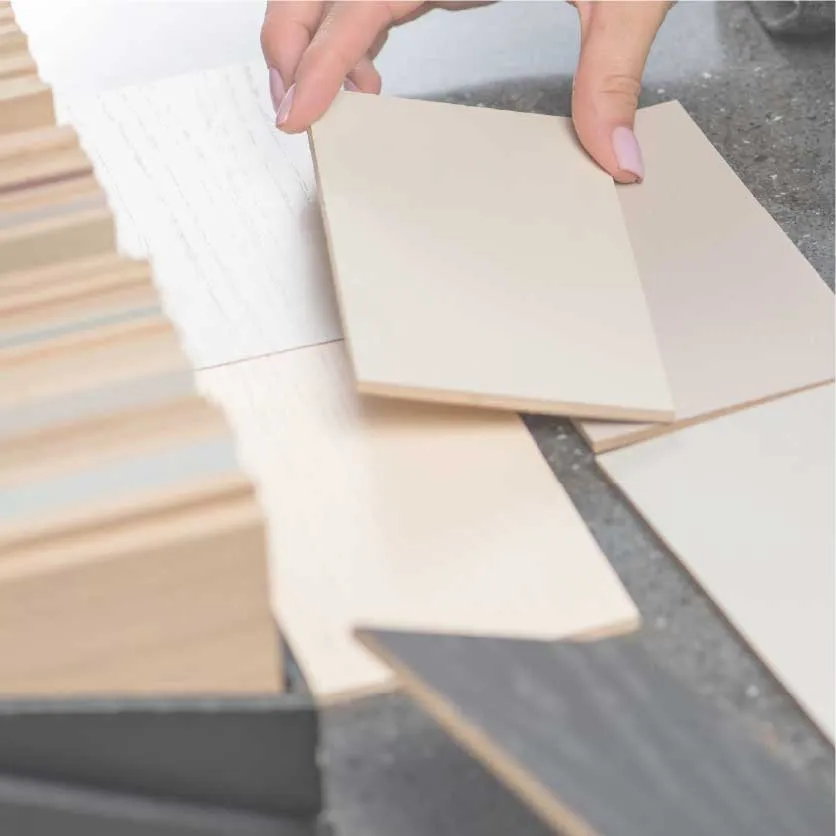
Materials
Focused on material innovation, this demonstrator explores how circular and sustainable materials can be integrated into furniture manufacturing, highlighting opportunities to improve resource efficiency and enable closed-loop production.
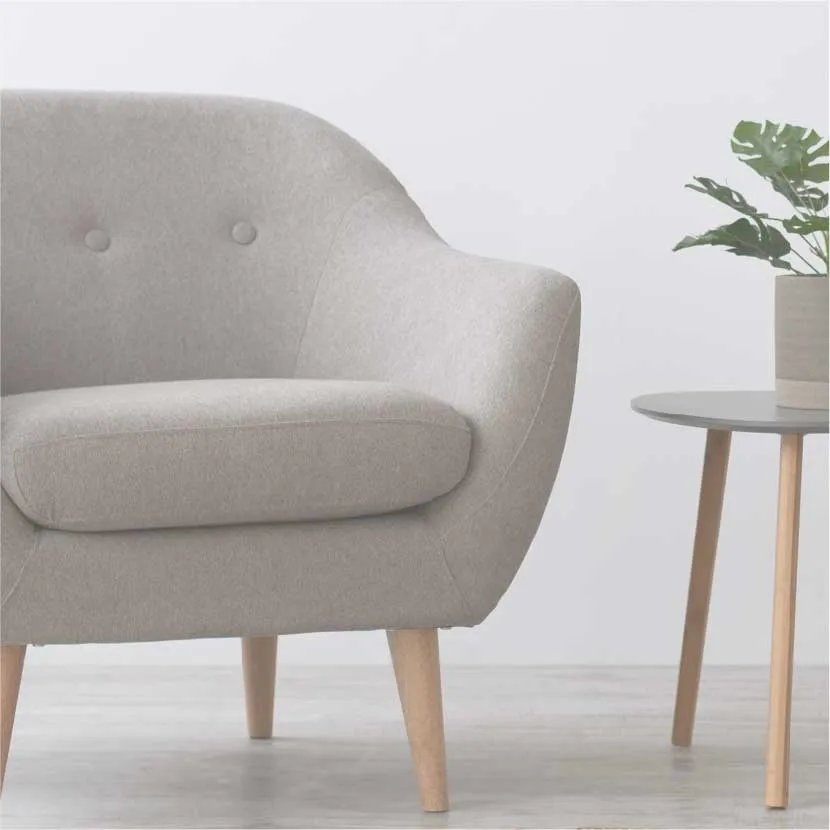
Design
This demonstrator will showcase how circular design can transform furniture development, applying modular design, disassembly and lifetime extension strategies to embed circularity from the earliest stages.

Business
Service-based models will extend furniture lifetimes through reuse, refurbishment and resale, showing how Furniture as a Service can create environmental, social and economic value.